
Topps Baseball History

Debut Year:
1993
Topps Baseball was first released in 1952. In 1993, the first Series 1 product was released.

Licensors:
mlb

Value Level:
accessible
2026 Topps Series 1 Baseball rings in 75 years of Topps Baseball and sets the stage for the next chapter of The Hobby. For generations, Topps has brought fans closer to the game through iconic cards, timeless designs, and unforgettable moments that define each era of baseball. This release celebrates a legacy built card by card while delivering the anticipation, energy, and excitement of a brand new season and the future still to come.
The Topps Series 1 Baseball release has defined baseball card collecting for generations. As the first set of each season, it connects baseball’s past and present through iconic designs, rising rookies, and a legacy that mirrors the game’s rhythm.
The History Behind Topps Series 1 Baseball
Topps Series 1 Baseball has long served as the early-season release in the Topps baseball card lineup. Topps entered the baseball card market in 1951, with the modern foundation of The Hobby established by the company’s standard-sized baseball cards introduced in 1952. As the annual baseball program evolved, Topps adopted a multi-series release structure, issuing portions of the Topps Baseball set throughout the season.
While Topps had released early-season series for decades, the modern use of the Series 1 designation became clearly established in 1993, when Topps formally split the Topps Baseball release into two distinct products marketed as Series 1 and Series 2. From that point forward, Series 1 became recognized as the first major release of the year, typically arriving in late winter or early spring to coincide with anticipation for the upcoming baseball season.
Who is Topps Series 1 Baseball For?
It may sound like a cop-out, but Topps Baseball is truly for everyone. The product is designed to be all-encompassing. As the first Topps Baseball product released each MLB season, it features the highest representation of Major League players, resulting in the largest base set in any sport — 990 base cards across Series 1, Series 2, and Update Series.
The accessible pricing makes it a great entry point for those new to The Hobby — including, and especially, kids. Its long history appeals to a wide range of potential collectors. For a parent looking to educate their kids, both on the history of baseball and their own personal collecting journey, there’s no better set than Topps Baseball.
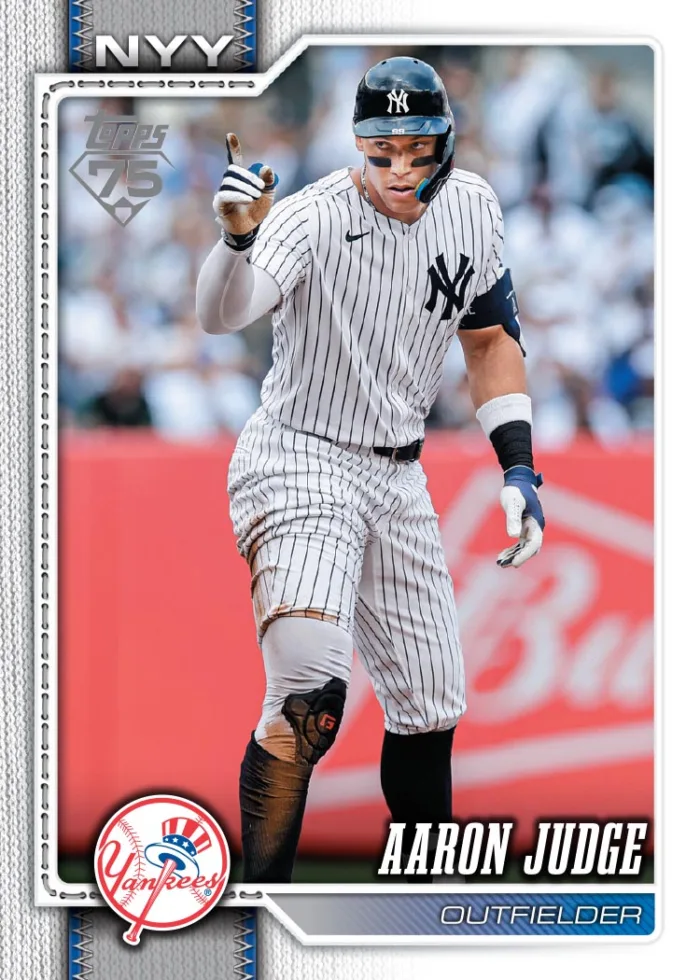
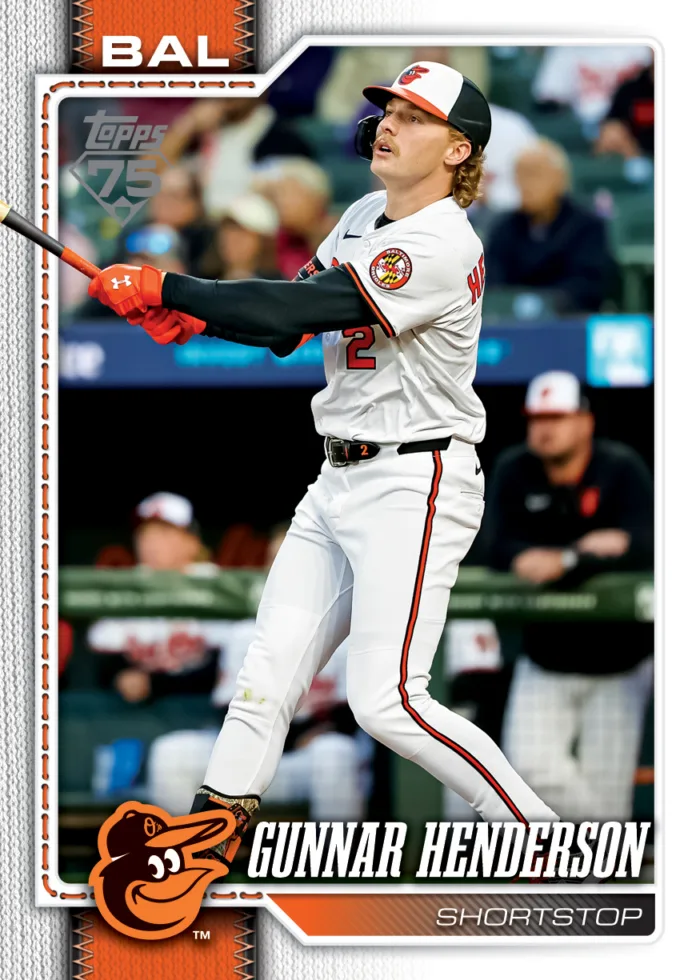
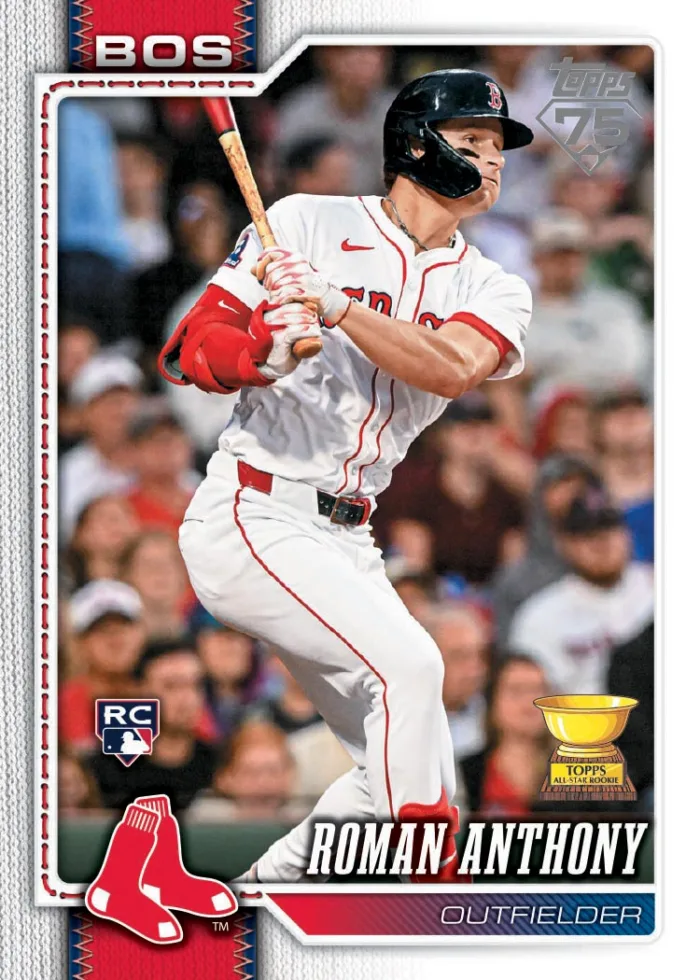
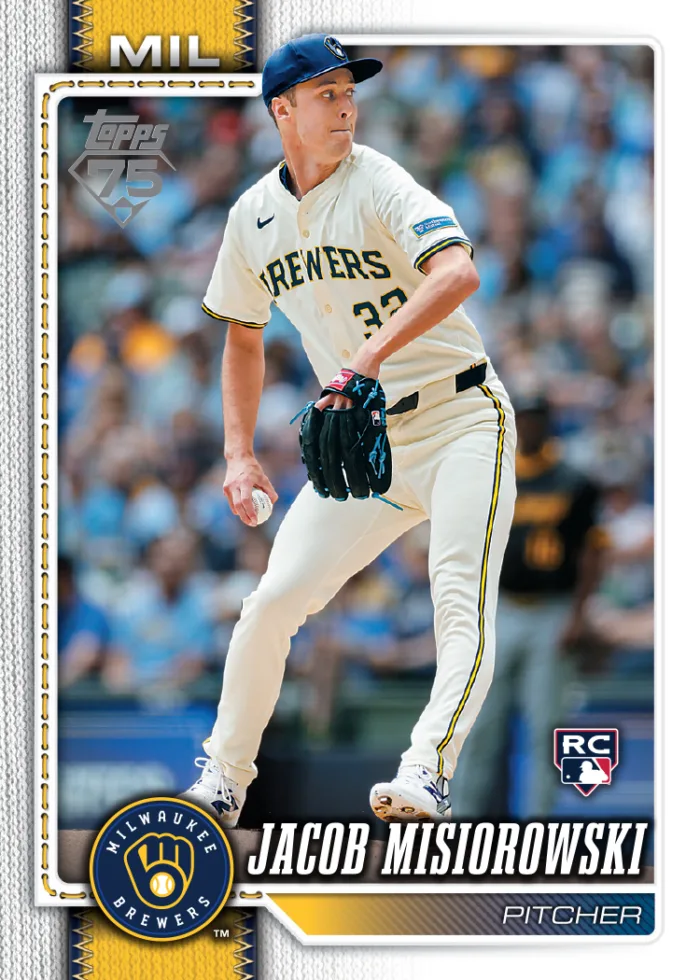
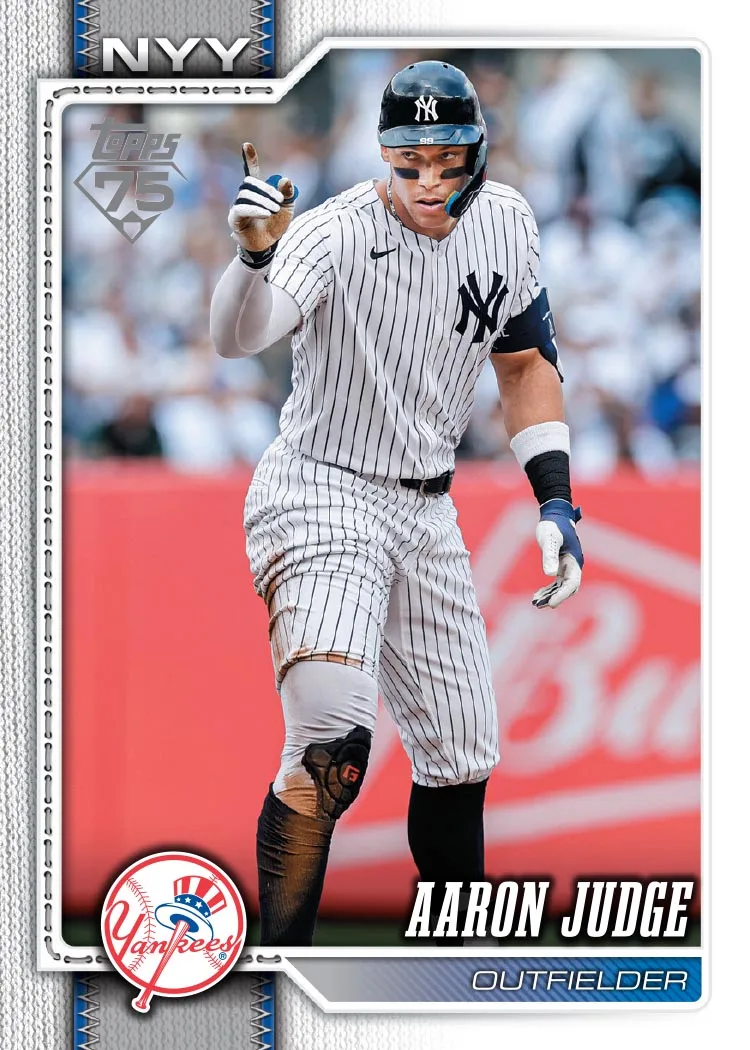
Through this set, you can tell a story that seamlessly connects the past with the present. If your son loves Aaron Judge, and you want to teach him about Jackie Robinson, you can put their two Topps Baseball cards side by side. If your daughter is obsessed with pitching stats and expresses her fandom with percentages, you can line up a 2021 Clayton Kershaw with a 1985 Nolan Ryan and argue who was better.
For a middle-aged fan of Ken Griffey Jr. raising a teenage fan of Shohei Ohtani or Juan Soto, there’s no better way of sharing that fandom than breaking out your childhood box of cards and laying them side by side with your kids’ cards. Generations of fans, united over cardboard.
Why Does Topps Series 1 Baseball Matter?
Because it comes first, Series 1 sets the tone for the entire season, both figuratively and literally. Series 1 is often the first opportunity for collectors to see rookies on cardboard.
The inaugural set, released in 1952, includes what’s arguably the most important card in Hobby history: the 1952 Mickey Mantle rookie card. In August 2022, a ‘52 Mantle in near-mint condition (SGC 9.5) shattered auction records when it sold for more than $12 million. If price is a proxy for importance, the Topps ‘52 Mantle is the most important card by a mile.
Other iconic Topps Baseball rookie cards include the 1989 Bo Jackson, the 2011 Mike Trout, the 1993 Derek Jeter, and the 2001 Ichiro. Unlike the Mickey Mantle, these four classics won’t trade for the cost of a Beverly Hills mansion. However, for many collectors, each of these rookies has tremendous historical and personal significance. For collectors born in the 1970s and ’80s, the Bo Jackson rookie is remembered as one of the most iconic cards from their youth. For millennials, it’s the Mike Trout card. And 10 or 20 years from now, it may be Elly De La Cruz and Paul Skenes RCs for Gen Z.
Topps Baseball also sets the tone for its visual identity. Each year, Topps releases dozens of baseball products, each with its own variations in aesthetics and design. Yet the design of Topps Baseball is a constant throughline. It reappears throughout the year, not only in other baseball sets like Topps Chrome, but also in other sports.
The design of Topps Baseball also reflects broader pop culture themes. For 1975, Topps Baseball adopted a distinctly psychedelic pattern and color scheme — a nostalgic callback to the then-recently concluded ’60s with contemporary updates. In 1987, Topps Baseball debuted with a recognizably Reagan-era wood-grain look, evoking the paneling of a late-’80s station wagon. In the 1990s, those muted colors were replaced by bright and vibrant neon, anticipating the full-spectrum decade to come.
In each of these years, when Topps Baseball introduced a culturally specific visual identity, that identity was later adopted and replicated in subsequent product releases.
What am I Chasing in 2026 Topps Series 1 Baseball?
In 2026 Series 1 Baseball, collectors will be chasing an exciting mix of premium cards that celebrate Topps’ 75th anniversary and the brand’s rich history. Highlights include popular inserts such as Topps Profiles, All Aces, and All Kings.
The checklist also features Base Card 1952 Variations and autographs, along with multiple anniversary autograph sets, including 75 Years of Topps Baseball Autos and 75 Years of Topps Die-Cut Autos. Rounding out the chase are Cover Athlete Autographs.
What’s New in 2026 Topps Series 1 Baseball?
New insert and autograph opportunities include Topps Profiles, Base Card 1952 Variations and their autograph versions, 75 Years of Topps Baseball Autos, and 75 Years of Topps Die-Cut Autos, as well as Cover Athlete Autographs.
Additional highlights debuting this year include Titans of the Game, 1991 Topps Baseball Relics, and Big Ticket Players, giving collectors multiple fresh avenues to pursue and adding depth and excitement to the 2026 Series 1 experience.
Topps Series 1 Baseball Collector FAQs
- What is Topps Series 1 Baseball?
- Series 1 is the early-season release of Topps Baseball, marking the official start of each collecting year.
- When did Topps Baseball begin?
- Topps entered the baseball card market in 1951, with the modern Hobby foundation established in 1952.
- Does Topps Series 1 Baseball mark the first major Topps release of the season?
- Since 1993, Series 1 has served as the first major release of the season, setting design, rookie, and collecting trends.
- Who is Topps Series 1 Baseball designed for?
- The set is designed for collectors of all ages, from kids and first-time collectors to lifelong Hobby veterans.
- Why is Topps Series 1 Baseball historically important?
- It has consistently documented baseball history, culture, and design trends for more than seven decades.
Key Facts
- Topps Baseball debuted in 1951, with the modern Hobby foundation established by the 1952 set.
- Series 1 is the opening release of each collecting season, formally designated in 1993.
- The annual Topps Baseball program ultimately spans 990 base cards across Series 1, Series 2, and Update Series.
- Topps Baseball Series 1 arrives ahead of Spring Training, aligning The Hobby’s calendar with the start of baseball season.
- The 1952 Mickey Mantle is widely regarded as the most important baseball card ever produced.
- Topps Baseball designs reflect broader cultural eras, influencing future releases across baseball and other sports.
More Topps Baseball
-
Women’s History Month Spotlight: Content Creators in The Hobby
-
Topps NOW Celebrates MLB Opening Weekend 2026
-
Topps Transcendent Collection Baseball Product History
-
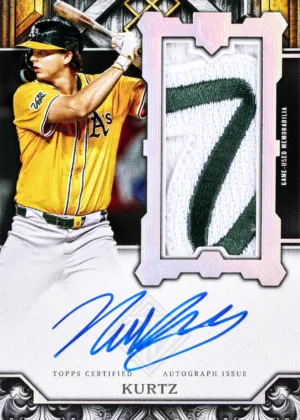
2025 Topps Transcendent Collection Baseball Collector’s Guide
-
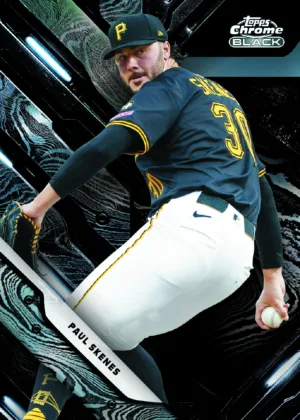
Topps Chrome® Black Baseball Product History
-
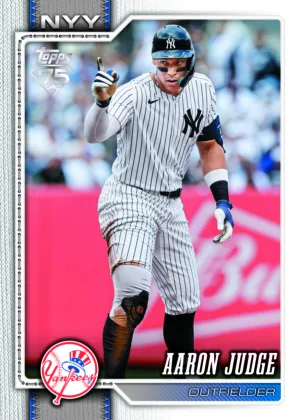
2026 MLB Opening Day Meets Topps Series 1 Baseball
-
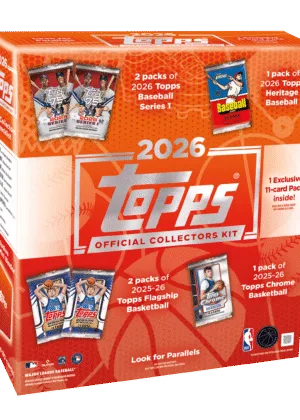
Topps Collector Kit Is Built for Your First Rip


