
Collect The Black Aces
Black History Month provides an opportunity to recognize the deep and lasting impact Black players have had on baseball, a sport that has long reflected broader American culture. From the breaking of the color barrier to the influence of Black athletes, executives, and communities, Black history and baseball history are inseparable.
Because baseball has often mirrored social change in the United States, the story of Black history in baseball is also a story of American history. As Topps Baseball marks its 75th anniversary, the brand’s timeline naturally intersects with many of these moments, reflecting eras of progress, struggle, and achievement.
Celebrating Topps’ 75th alongside Black History Month highlights how baseball cards have documented both the evolution of the game and the broader American story, including the vital contributions of the Black players who helped shape it.
The Black Aces represent Black pitchers who reached the 20-win milestone and reshaped baseball history. As Topps celebrates 75 years, these cards highlight how Black excellence on the mound mirrored broader social change, documenting achievement, resilience, and lasting influence through baseball’s most iconic cardboard.
Collecting The Black Aces
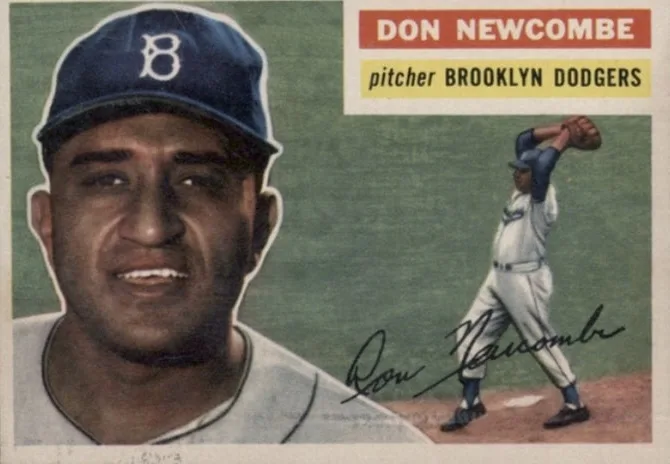
1956 Topps Baseball #235 Don Newcombe
Player info
• won at least 20 games in three seasons
• Four-time all-star
• 1956 cy young award winner
Set info
• 340 base cards
what they said
• “I’m not just representing myself when I take the mound. i’m representing other young Black players that may want to be pitchers in the future. The example that I set, the things that I do, somebody is always watching.” – fellow black ace dave stewart when asked about newcombe’s advice
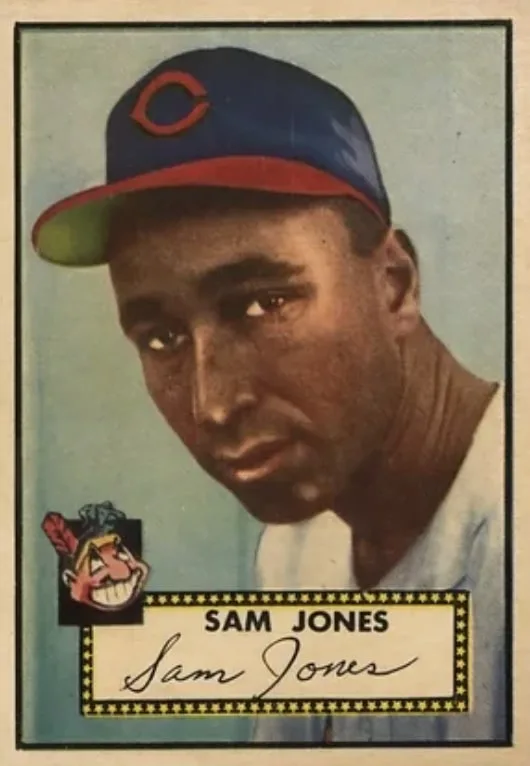
1952 Topps Baseball #382 Sam Jones
Player info
• topped 20 wins in 1959
• two-time all-star
• 1959 nl wins leader
set info
• 407 cards
• Topps’ first Flagship issue
What they said
• “He did everything you could ask of a pitcher, and he did it well.” – former mlb player bill rigney on Sam Jones
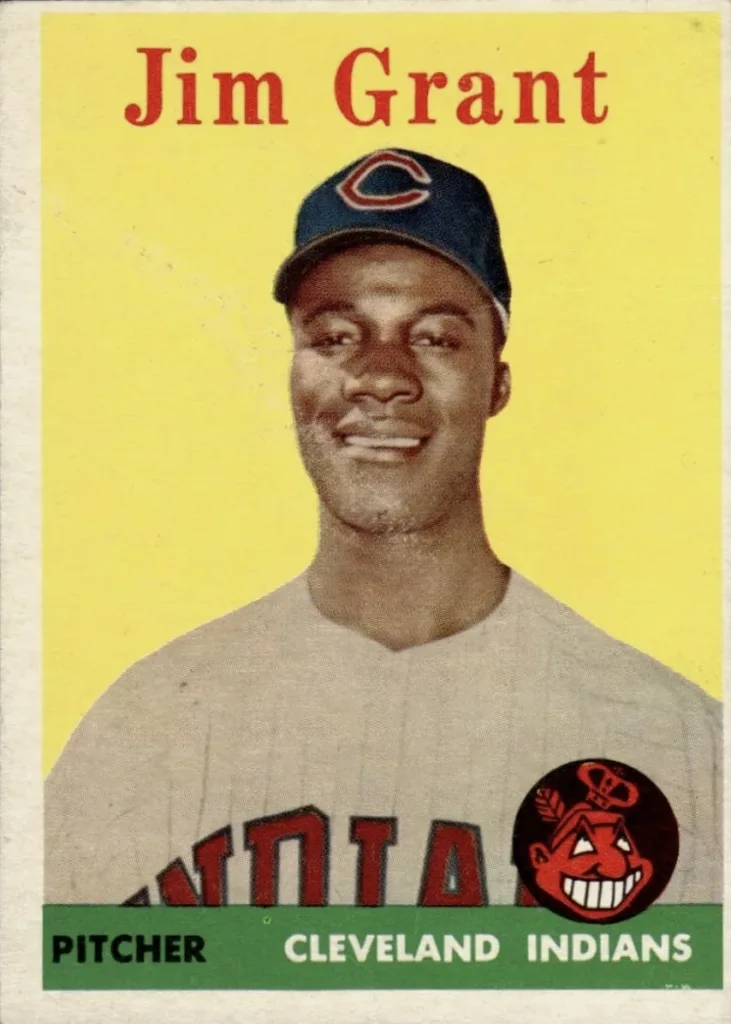
1958 Topps Baseball #394 Jim Grant RC
Player info
• two-time all-star
• 1965 al wins leader
• topped 20 wins in 1965
set info
• 494-card set
What they said
• “And then he taught me, ‘This is what you’re going to have to face [as a Black player]. You’ve got to face it, and when you cross the white lines, you better win. It ain’t about, ‘Oh, this is so bad for me.’ You better win. Because if you don’t win, [it’s] good-bye, see you later.” – jim grant on his advice from mlb pioneer larry doby
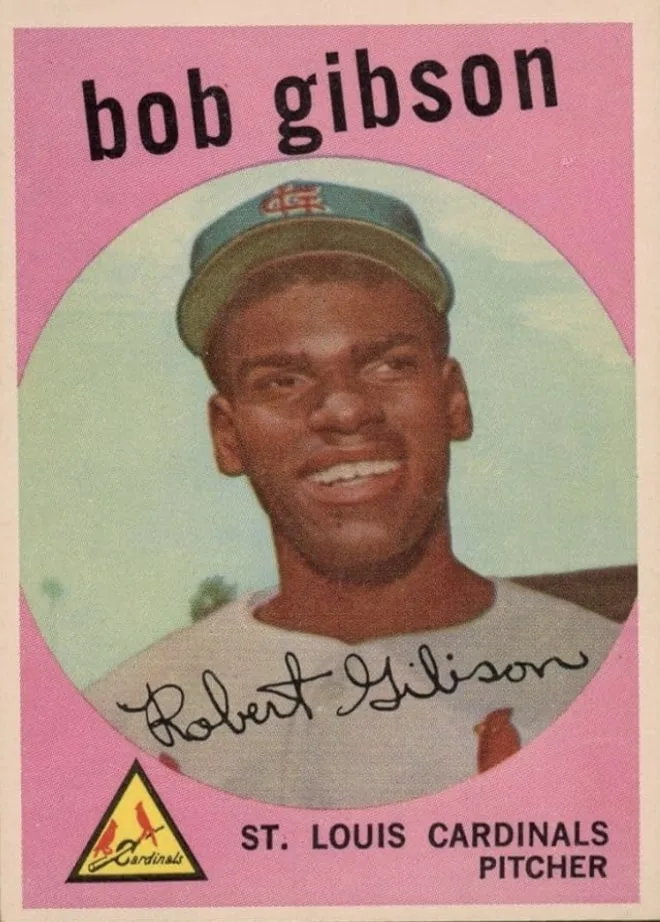
1959 Topps Baseball #314 Bob Gibson
Player info
• hall of famer
• nine-time all-star
• five seasons with at least 20 wins
set info
• 572 card set
What they said
• “Gibby is one of baseball’s greatest competitors.” – Stan Musial
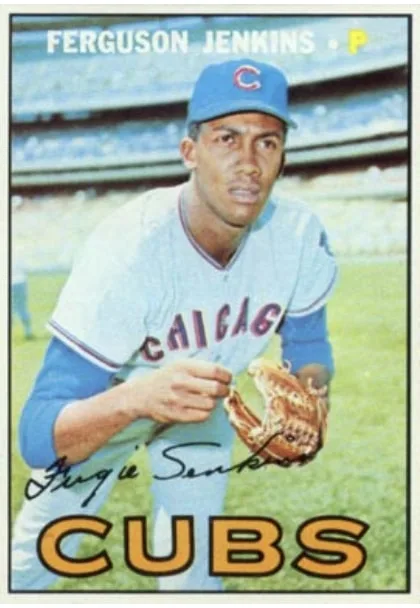
1967 Topps Baseball #333 Fergie Jenkins
Player info
• Hall of Famer
• Won at least 20 games in seven seasons
• Cubs and Rangers Hall of Famer
set info
• 600-card set
what they said
• “I enjoyed pitching. I think that’s what you have to have nowadays. If you’re going to be a pitcher on a staff, you have to enjoy going out there. Doesn’t matter what team you’re facing.” – fergie Jenkins
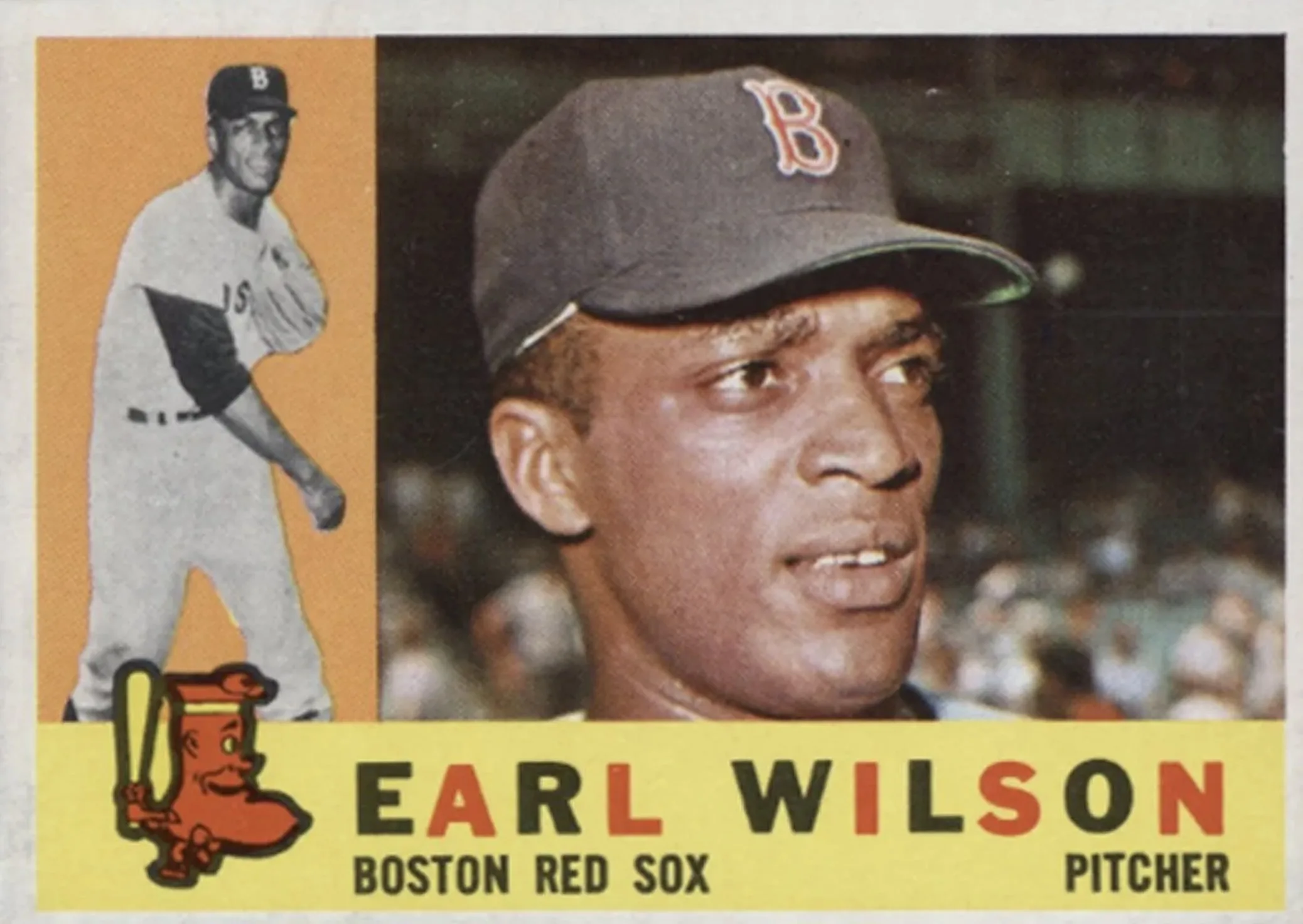
1960 Topps Baseball #249 Earl Wilson
Player info
• won 22 games in 1967
• 1968 world series champion
• 1967 al wins leader
Set info
• 572 base cards
what they said
• “Earl was one of a kind.” – Former MLBer Ted Sizemore
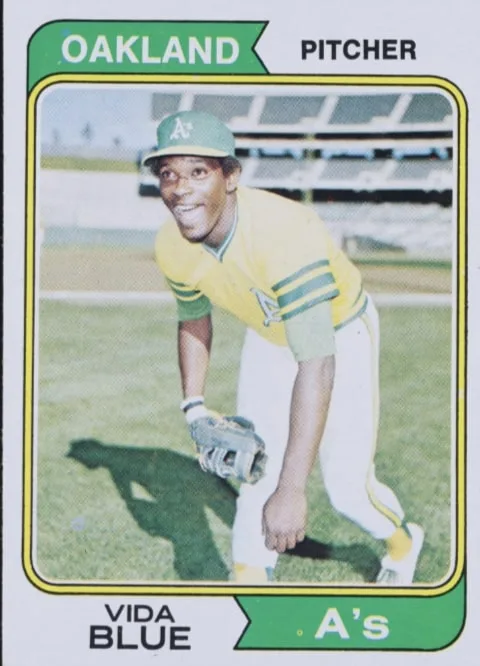
1974 Topps Baseball #290 Vida Blue
Player info
• three-time world series champion
• six-time all-star
• reached 20 wins three times
set info
•660 base cards
What they said
• “If he threw 120 pitches, 115 of them were fastballs. He hardly ever threw a curveball and didn’t have a changeup. He had great control of it – he’d put it right on the hands of right-handers and right on the hands of left-handers – and he didn’t miss. He was amazing.” – former mlb catcher dave duncan on Vida Blue
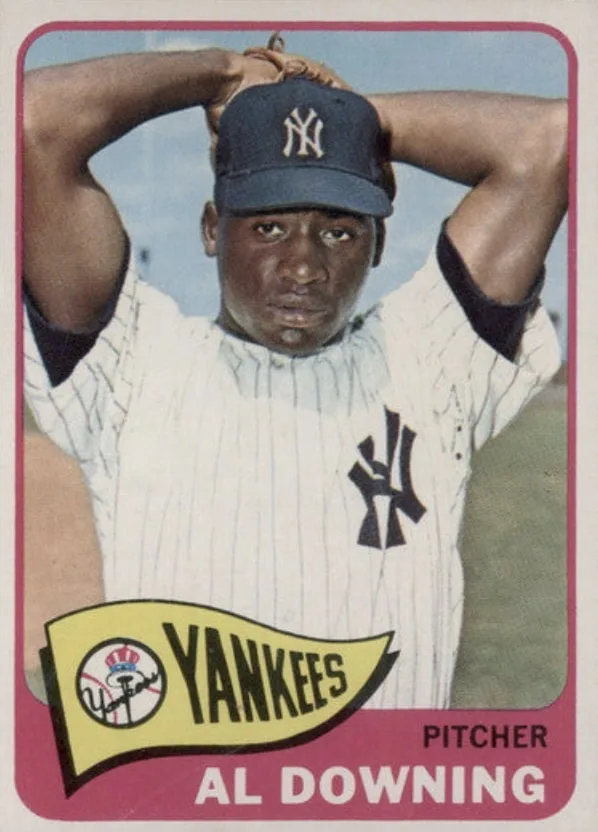
1965 Topps Baseball #598 Al Downing
Player info
• recorded 20 wins in 1971
• 1961 world series champion
• 1967 all-star
set info
• 598 cards
What they said
• “Al was a darn good pitcher. He was not a guy you took lightly when you went up there. You knew he was going to battle you. He was a great adversary.” – Hank aaron
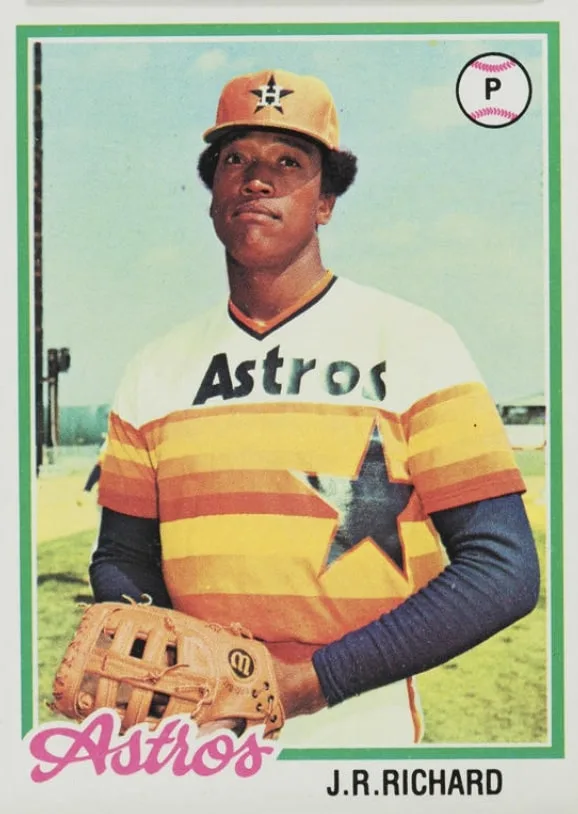
1978 Topps Baseball #470 J.R. Richard
Player info
• houston astros hall of fame
• recorded 20 wins in 1976
• 1980 all-star
set info
• 726 base cards
What they said
• “He was one of the greatest pitchers we ever had and probably would have been in the Hall of Fame if his career was not cut short. On the mound, he was devastating and intimidating. Nobody wanted to face him. Guys on the other team would say that they were sick to avoid facing him.” – astros teammate enos cabell
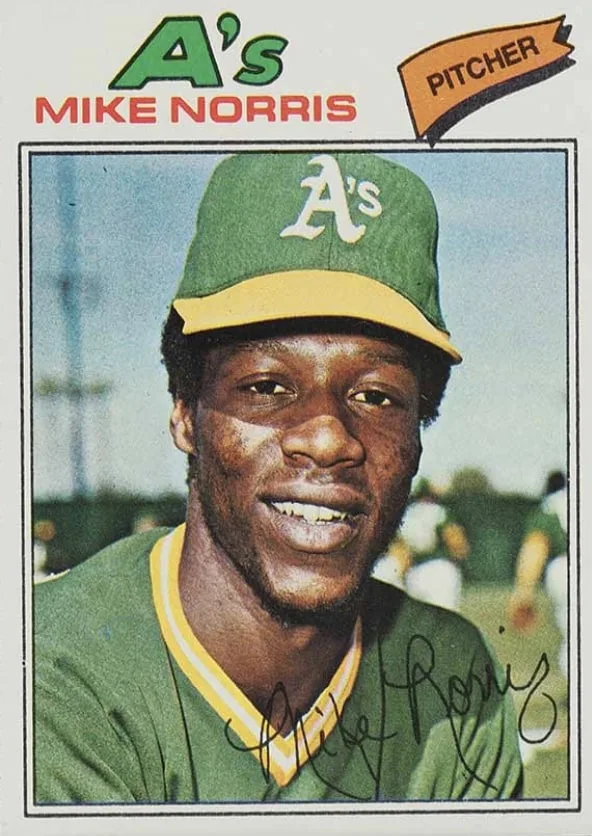
1977 Topps Baseball #284 Mike Norris
Player info
• two-time gold glove winner
• 1981 all-star
• recorded 20-plus wins in 1980
set info
• 660 base cards
what they said
• “He’s just a good guy, and he cares about kids. He cares about the growth of these kids, Black kids in particular. Our game needs to grow in terms of Black kids playing the game, and he’s aware of that. He’s got a tremendous focus on that.” -former teammate Dave Stewart
Black Aces Collector FAQs
- Who are the Black Aces in baseball?
- The Black Aces are Black pitchers who won at least 20 games in a single MLB season, symbolizing elite performance and historical breakthrough on the mound.
- Why are Topps cards important to Black baseball history?
- Topps cards visually document eras of integration, achievement, and cultural change, preserving Black players’ legacies in widely collected formats.
- Who was the first Black Ace featured on a Topps card?
- Don Newcombe appears in early Topps sets and is widely recognized as the first Black pitcher to reach ace-level dominance.
- Which Topps set is most iconic for Black baseball history?
- The 1952 Topps Baseball set stands out as the brand’s first mainstream issue and includes pioneering Black players like Sam Jones.
- Why is Black History Month relevant to baseball cards?
- Baseball cards act as historical artifacts, capturing milestones in racial progress and athletic achievement across generations.
Key Facts
- The Black Aces symbolize elite Black pitching excellence
- Topps cards serve as historical documentation, not just collectibles
- Many Black Aces appear in landmark Topps sets from 1952–1978
- Their success helped redefine roles and expectations in MLB
More Topps
-
Football and The Hobby
-
The Rise of Women’s Sports Trading Cards in The Hobby
-
75 Years of Topps Baseball Card No. 1
-
2025 Bowman Draft Baseball Prospecting Primer
-
Celebrating Topps Baseball Series 1 Cover Athletes Through the Years
-
A Savory Legacy: The Best Cheese-Themed Topps Cards
-
“The Holy Grail” — Chasing the 1961 Topps Dice Game


