
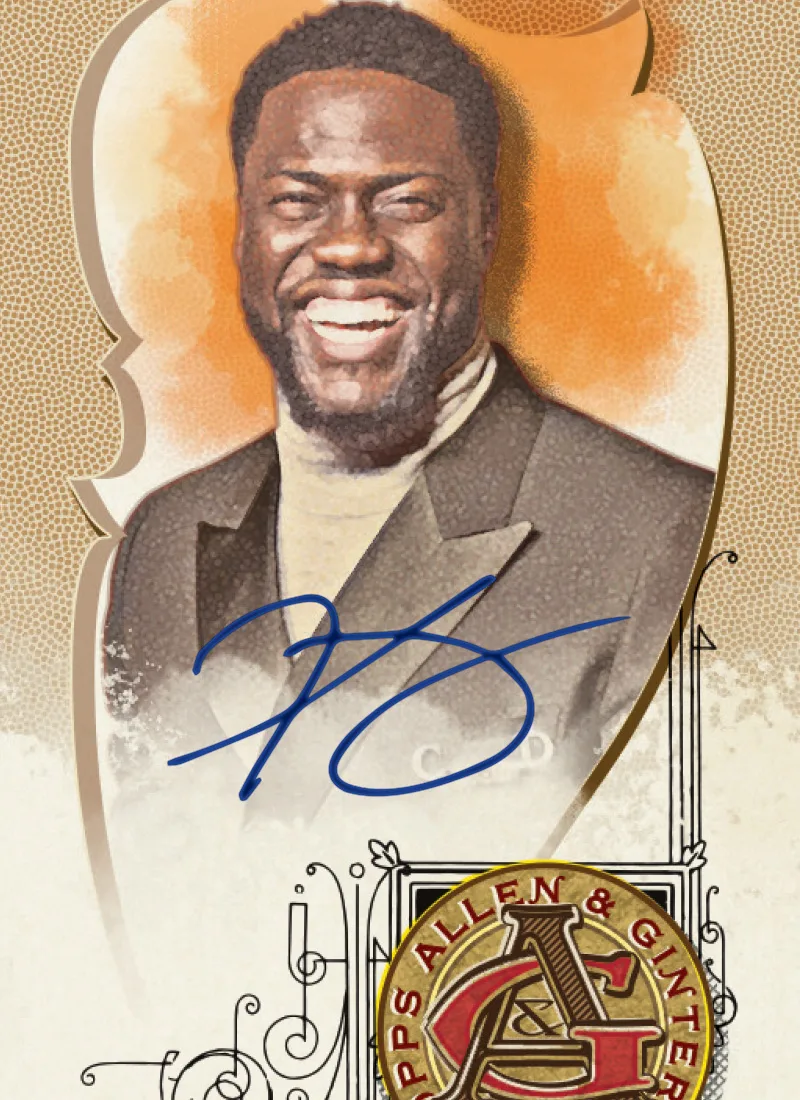
Celebrating Black Excellence in Allen & Ginter
Allen & Ginter has long held a distinctive place within the Topps portfolio. Inspired by nineteenth century design, the brand carries an aesthetic that feels both timeless and intentional. Ornate borders, classic typography, and vintage illustration styles give each card the feeling of something meant to last.
Every subject appears framed as part of a larger historical record, and that context adds weight to representation. When someone is featured in Allen & Ginter, they are not simply part of a checklist. They are positioned within a tradition that signals permanence and cultural relevance.
As Topps Baseball celebrates 75 years, Allen and Ginter stands out as a product that has consistently expanded the definition of who belongs on a trading card. Its inclusion of Black celebrities across sports, music, journalism, entertainment, activism, and history reflects a broader understanding of influence. The checklist is not confined to one arena; it mirrors culture itself.
Allen & Ginter has become one of the most culturally expansive brands in the Topps portfolio. By blending a nineteenth century design aesthetic with modern athletes, entertainers, and public figures, the product preserves legacy in a vintage frame. Its inclusion of Black celebrities reflects The Hobby’s evolution toward broader representation and lasting cultural impact.
A Platform Beyond the Diamond
Since its modern revival in 2006, Allen & Ginter has intentionally reached beyond baseball. While the sport remains central to the brand’s identity, the product has carved out space for figures whose impact extends beyond the field. That philosophy has helped make it one of the most culturally dynamic brands in the Topps lineup.
Topps Senior Director of Product Jeremy Fullerton describes that vision clearly: “Ginter is a great product to reach out beyond baseball and highlight notable names across additional sports, into stars of movies and TV, and great performers in multiple genres of music. This gives us the opportunity to highlight and represent people from all different cultures, backgrounds, nationalities, ages, etc.”
That commitment to range is visible in the way Allen & Ginter connects figures across generations, disciplines, and moments in time.
Influence Across Generations
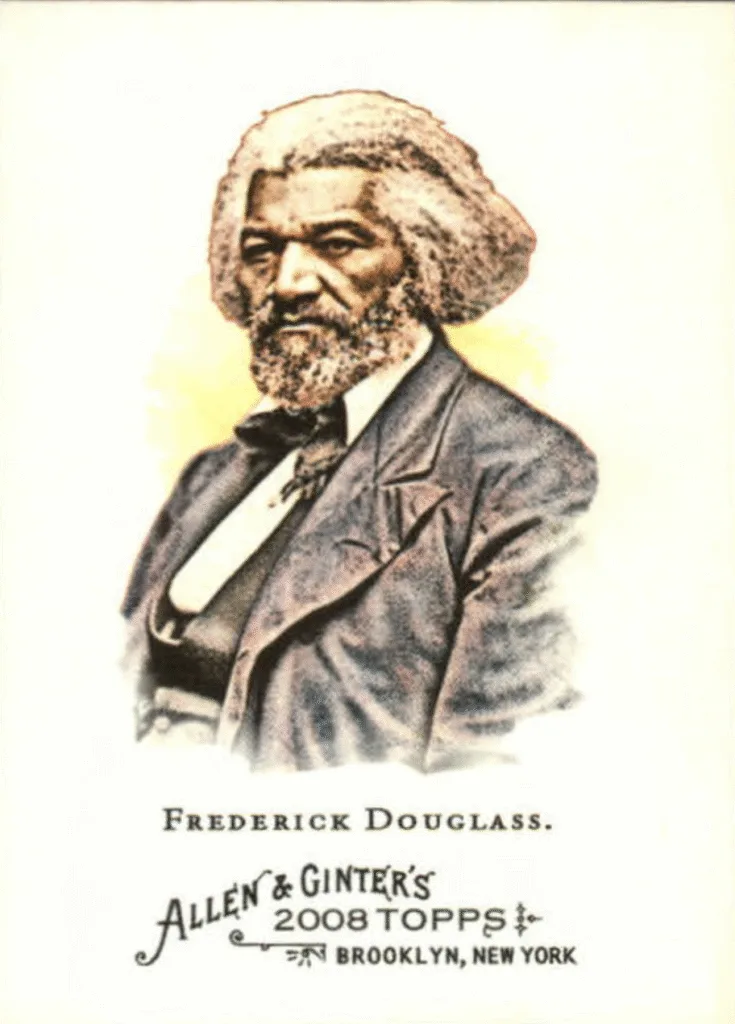
Some inclusions reach deep into history. Frederick Douglass stands as a symbol of intellect, courage, and advocacy — a figure whose words helped reshape a nation. His presence within the vintage framework of Allen & Ginter creates a powerful dialogue between eras. Similarly, Michelle Obama’s appearance in the First Ladies insert set places her within a lineage of national influence and public service. Her cultural impact extends beyond politics into education, health initiatives, and global advocacy.
In both cases, the design reinforces that leadership and social progress are integral parts of the broader American story.
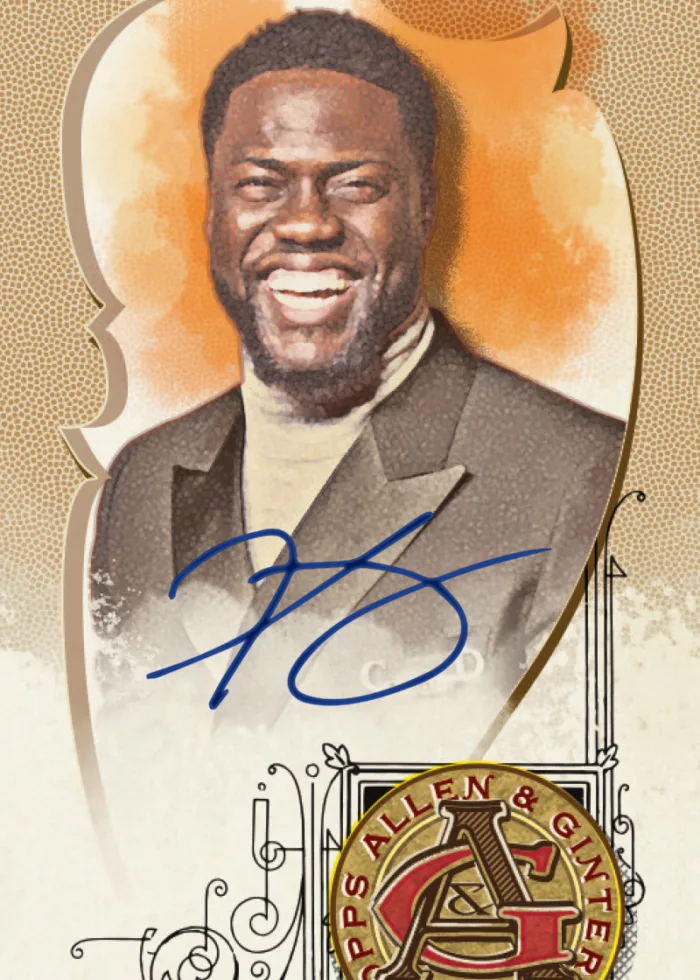
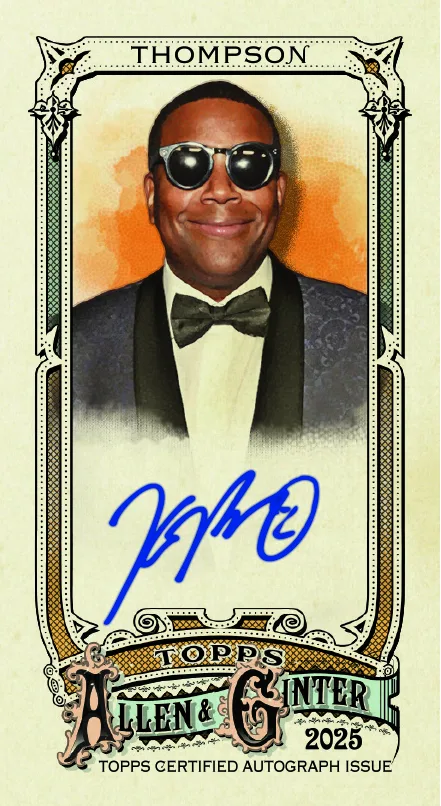
That historical foundation naturally extends into modern cultural mainstays whose influence has endured for decades. Snoop Dogg’s career has evolved from pioneering hip hop artist to global entrepreneur and media personality. His inclusion reflects not only musical success but sustained cultural relevance. Questlove represents another form of longevity, blending musicianship, scholarship, authorship, and production into a career that bridges generations. In television and comedy, Keenan Thompson’s decades-long presence on the screen has made him one of the most recognizable and enduring figures in entertainment. These are careers defined not by momentary attention, but by lasting impact.
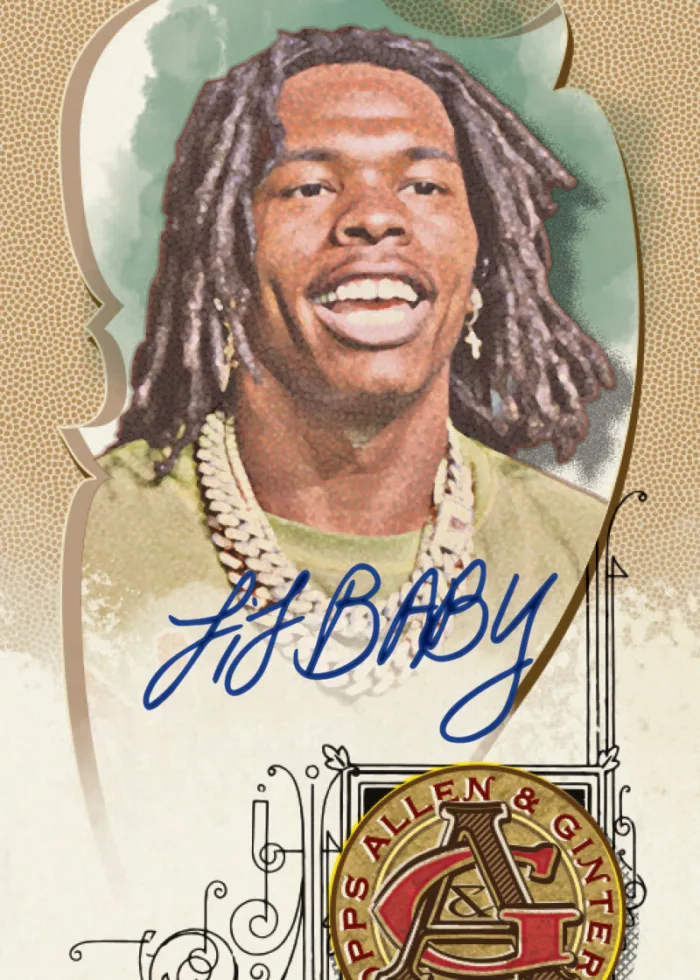
At the same time, Allen & Ginter captures culture as it unfolds in real time. The checklist has expanded to include contemporary artists and entertainers who are shaping this era’s voice and energy. Travis Scott and Lil Baby represent the global influence of modern hip hop — artists whose reach extends into fashion, branding, and youth culture. Druski reflects the evolution of comedy in the digital age, building a massive audience through social media before crossing into mainstream platforms. Their inclusion signals that cultural relevance today moves quickly, and the product documents that movement as it happens.
What unites these figures is not profession, generation, or platform, but influence. An abolitionist, a First Lady, a hip hop mogul, a television mainstay, a viral comedian, and chart topping artists share the same ornate border. The nineteenth century design language becomes a unifying canvas.
Excellence Across Fields
Athletics remains a cornerstone of the brand, yet even there, the lens is expansive. Serena Williams’ legacy stretches beyond championships into business, advocacy, and generational inspiration. Lisa Leslie’s presence acknowledges the pioneers who elevated and reshaped perceptions of women’s professional sports.
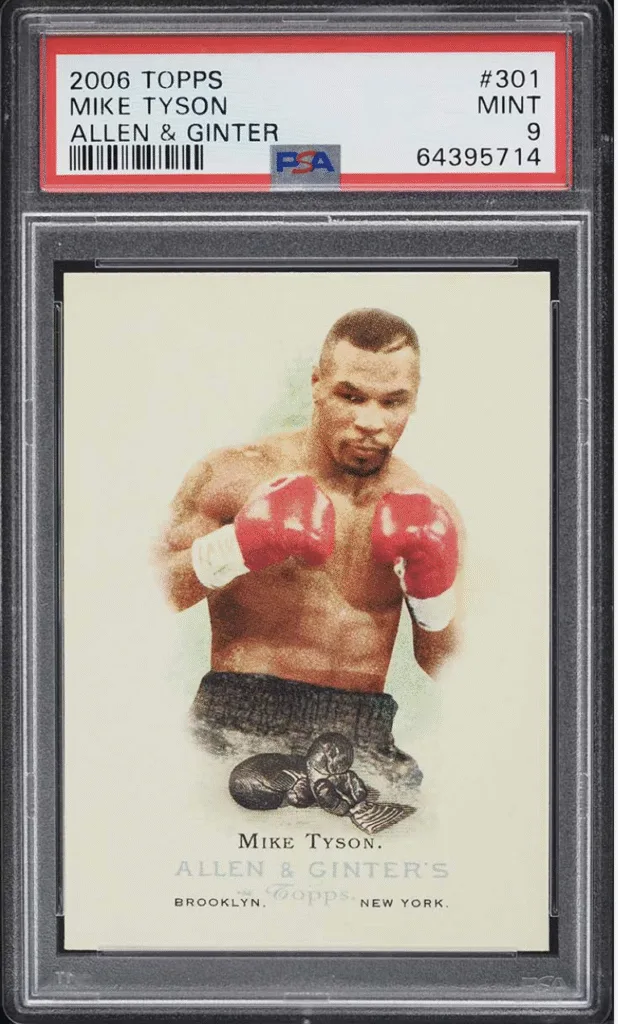
Mike Tyson and Laila Ali reflect different eras of boxing excellence, each carrying a distinct narrative of dominance and resilience. Olympic champions Gabby Douglas and Simone Biles represent moments that transcended competition and became global cultural milestones.
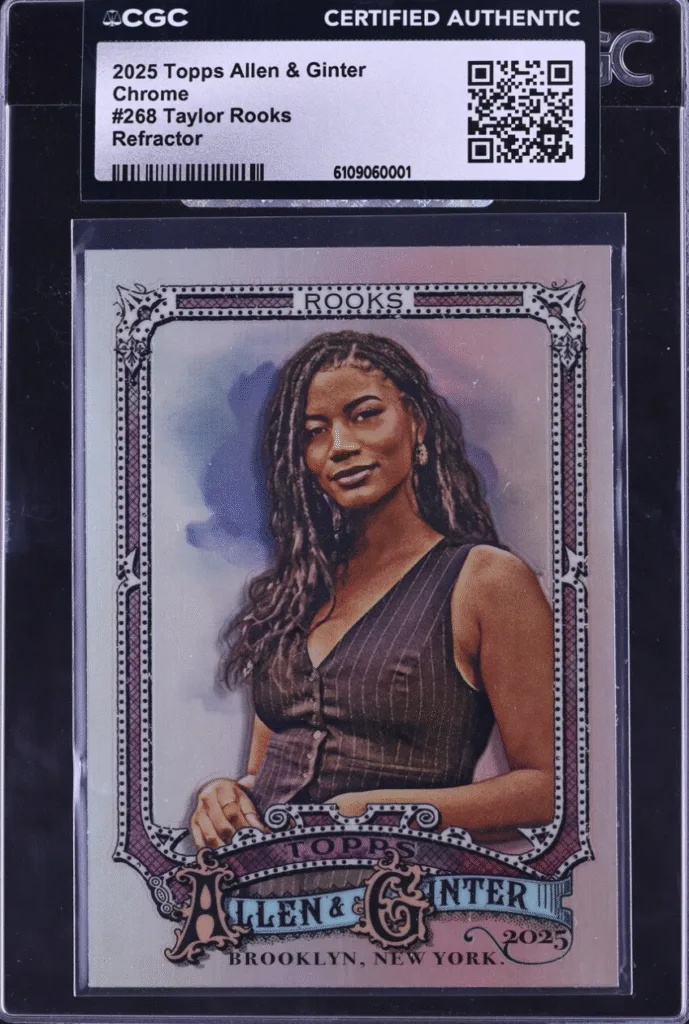
Journalism and media are woven into this cultural record as well. Taylor Rooks’ inclusion highlights the influence of those who frame the conversation around sports and shape how audiences experience pivotal moments. Storytelling determines how history is remembered, and her presence reinforces that impact extends beyond performance.
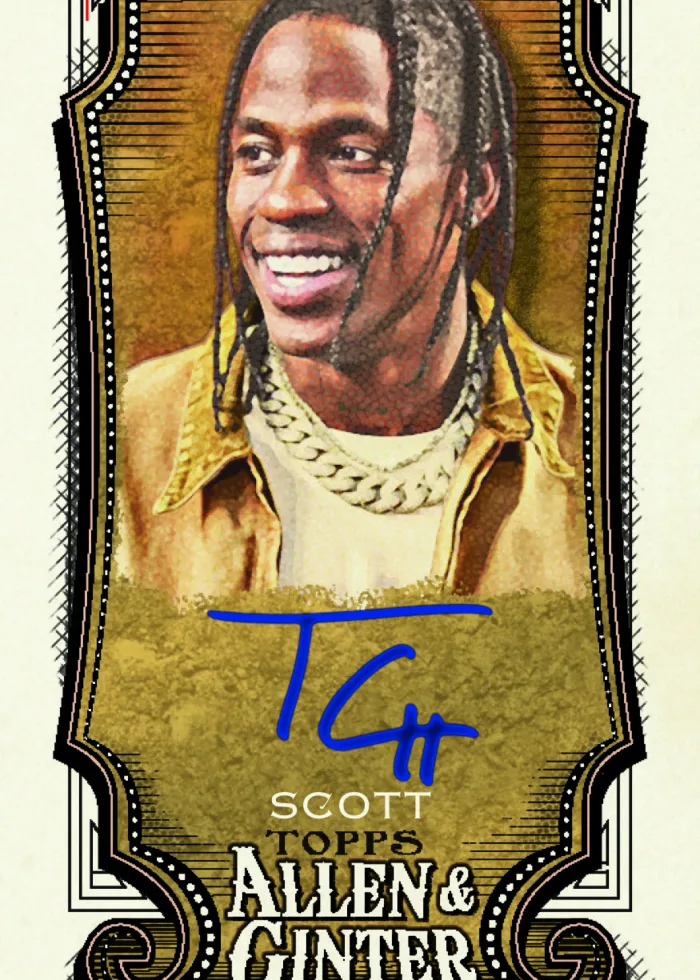
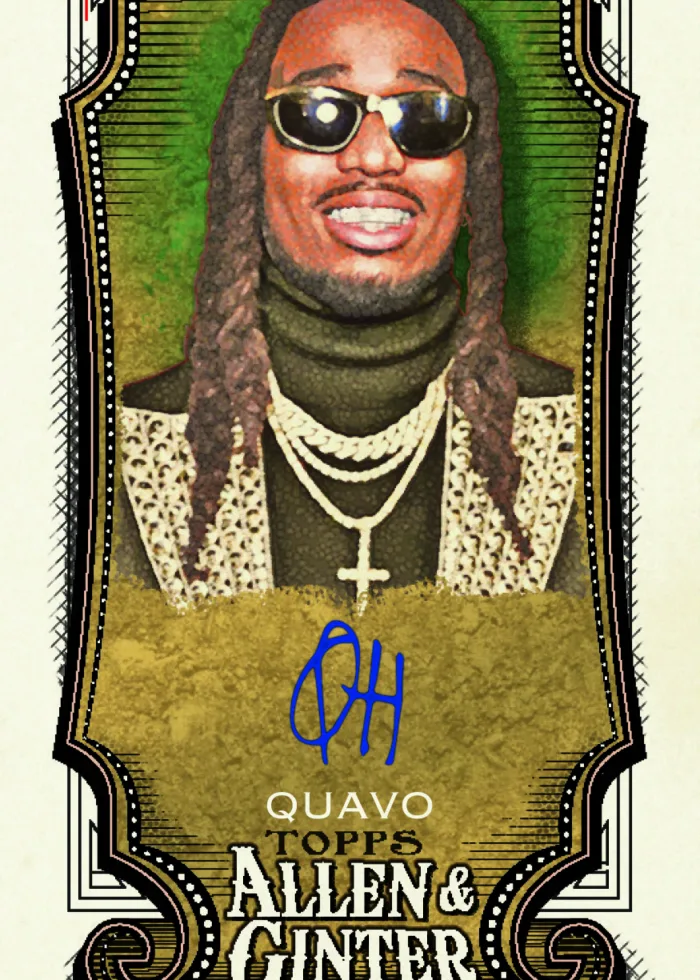
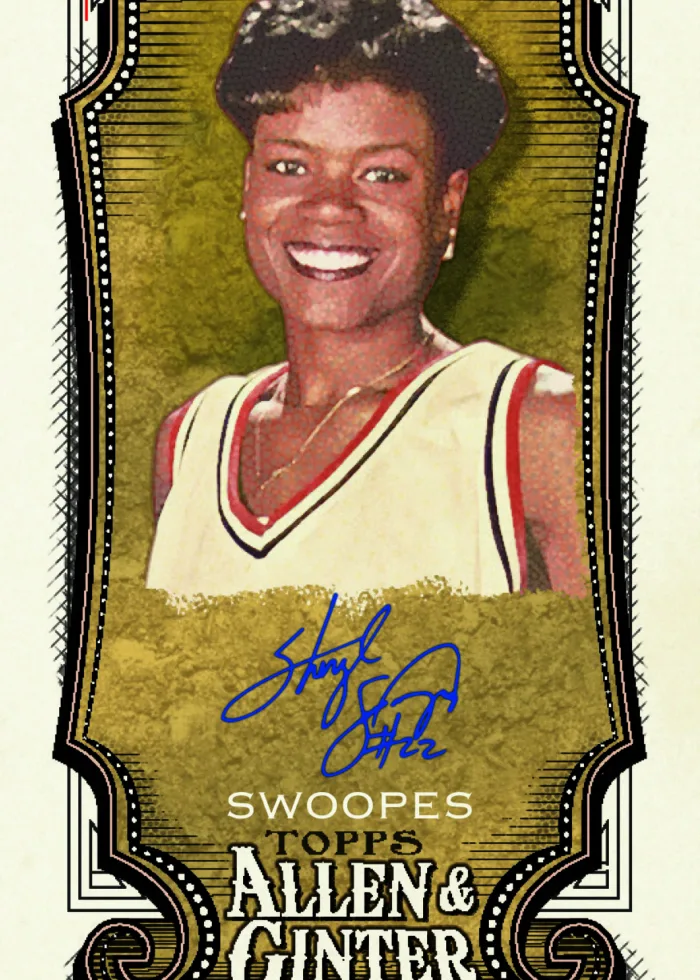
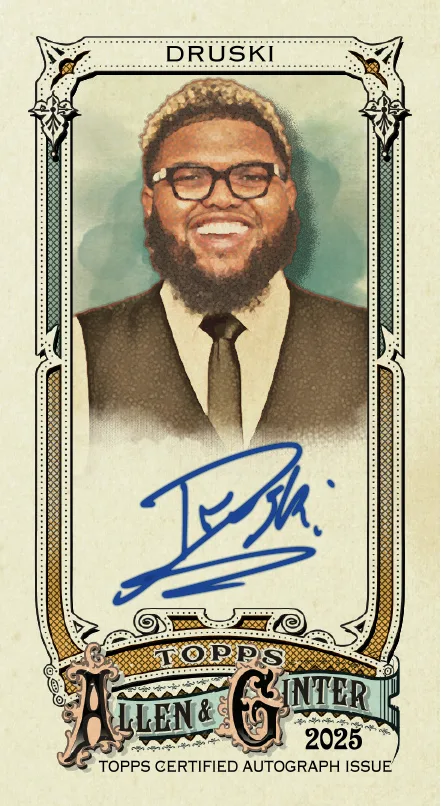
Representation as Historical Placement
There is deeper symbolism in Allen & Ginter’s visual continuity. The original tobacco era cards were produced during a time when Black athletes and public figures were often excluded from mainstream recognition. Today, that same vintage framework presents contemporary Black icons as central figures rather than omissions.
The aesthetic does more than evoke nostalgia. It asserts historical placement. It communicates that these contributions belong in the archive. By placing figures from activism, public service, entertainment, journalism, and athletics within the same classic design, Allen & Ginter creates a visual record that spans centuries and disciplines.
Why it Matters
Trading cards endure. They are collected, graded, displayed, and passed down. Over time, they become part of both personal collections and collective memory. Representation within a product like Allen & Ginter carries lasting significance because it determines who is visually documented and preserved for future generations.
For young collectors, that visibility can be formative. Opening a pack and seeing figures who reflect diverse backgrounds and career paths expands the understanding of what achievement looks like. It affirms that greatness is multidimensional.
Within the 75-year history of Topps cards, Allen & Ginter exemplifies how tradition and progress can coexist. The product honors a classic aesthetic while embracing the full spectrum of modern culture. Its inclusion of Black celebrities from athletics, music, journalism, entertainment, activism, and public service reflects a more complete and authentic record of influence.
On a timeless canvas that evokes history and prestige, these figures are not footnotes. They are central to the story. That is the enduring power of Allen & Ginter and its singular place within Topps at 75.
Allen & Ginter Black History Month FAQs
- What makes Allen & Ginter different from other Topps products?
- Allen & Ginter combines a vintage nineteenth century design aesthetic with a modern, multi-category checklist. It extends beyond baseball to include athletes, entertainers, and cultural figures, creating a broader representation of influence and achievement.
- Why is representation significant in Allen & Ginter?
- The brand presents subjects in an archival style, so inclusion carries symbolic weight. Featuring Black celebrities and diverse figures places them within a historical visual tradition, reinforcing permanence and cultural significance.
- When was Allen & Ginter revived by Topps?
- Allen & Ginter was revived in 2006, reintroducing the historic brand with a modern twist that blends baseball with broader cultural subjects.
- Does Allen & Ginter only feature baseball players?
- No. While baseball anchors the product, the checklist regularly includes athletes from other sports, musicians, entertainers, and public figures from various backgrounds.
- How does Allen & Ginter connect to Topps’ 75-year milestone?
- The product reflects Topps’ evolution by honoring tradition while embracing broader cultural inclusion, aligning with the company’s seventy-five-year legacy of documenting sport and culture.
Key Facts
- Allen & Ginter design traces to nineteenth-century tobacco cards
- Modern revival began in 2006
- Expands beyond baseball to athletes, entertainers, and public figures
- Inclusion reflects broader cultural representation in The Hobby
More Topps Black History Month
-
Topps at 75: The Legacy of Black Celebrities in Allen & Ginter
-
Black History Month Spotlight: Topps Events Marketing Manager Carley Fort
-
Black History Month Spotlight: Black Women in The Hobby
-
Top Cards from The Black Aces
-
Black History Month Spotlight: Owning The Hobby
-
Black History Spotlight: Topps Graphic Designer Preston Linzy II
-
The Negro Leagues and The Hobby


